

As a streaming content producer, capturing and preserving your streams is essential for building a lasting presence in the gaming community. Whether you're an beginner streamer or a experienced pro, the ability to save Twitch streams and archive your best moments allows you to connect with your audience in impactful ways. From engaging VODs to memorable highlight clips, knowing how to effectively save and manage your content can significantly impact your channel's expansion and achievement.
In this extensive guide, we will explore various methods for capturing, downloading, and archiving your Twitch content across multiple platforms and systems. You'll learn about the best tools for capturing your streams, tips for top-notch recordings, and strategies for organizing your content for quick access later. Whether you're looking to download Twitch VODs automatically or save valuable clips for social media, we’ve got you covered with hands-on advice and step-by-step tutorials tailored for all creator.
Recording Twitch Streams
To effectively capture Twitch.tv broadcasts, it's crucial to choose the right tools and techniques that suit your needs. Regardless of whether you're on a Windows computer, Apple computer, or smartphone device, there are multiple program options available that can assist you record high-quality streaming content. Common choices include OBS Studio, XSplit, and Streamlabs Open Broadcaster Software, which not only allow you to record your broadcasts but also offer enhanced features such as scene and visual elements. Utilizing these resources can substantially enhance your content production process and ensure that your streams are saved in high quality.
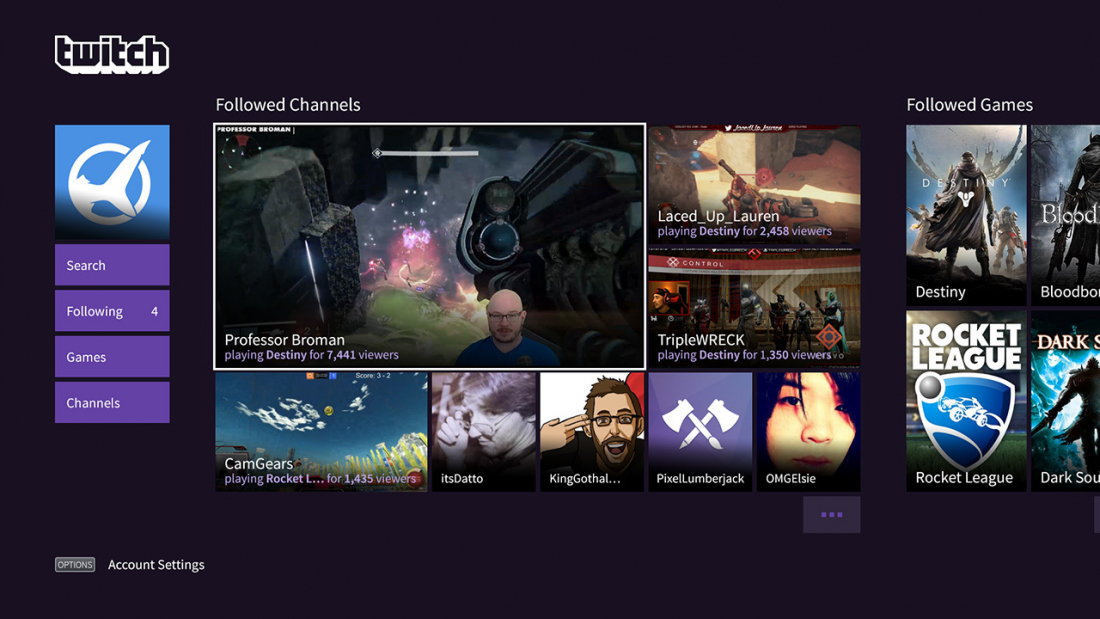
When recording Twitch streams, you need to consider audio and visual quality. Make sure to set your video resolution and bitrate properly, as these elements significantly affect the final product. Aim for a minimum of high definition resolution for optimal watching experiences, and select a bitrate that strikes a balance between high quality and storage space. It's also wise to conduct test streams to fine-tune these settings and ensure a seamless recording experience. This approach will help you avoid technical difficulties during your actual broadcasts.
Lastly, think about establishing a well-equipped recording setup that includes a good microphone and video camera, which can greatly improve the quality of your broadcasts. Proper illumination and a clean setting also add to a refined look. By investing in these components, along with your application, you are well-equipped to create engaging material that can draw and keep an audience. Keep in mind, a professionally captured stream can be a valuable asset for promoting your content and fostering expansion in the challenging world of Twitch streaming.
Obtaining Twitch Video on Demand videos and Clips
To successfully save Twitch.tv Video on Demand videos and clips, you can use built-in tools provided by Twitch as well as external applications. Twitch allows streamers to store their live broadcasts for up to 14 days (or two months for partners, affiliates, and Prime members) as VODs. To download a Video on Demand video, go to your dashboard, choose Videos, and select the VOD you would like to download. After finding it, then tap the three-dot menu and pick the download choice. This simple method ensures you have convenient access to your saved videos for later reference.
For short videos, Twitch provides an convenient way to store highlights from your streams. After creating a clip during a stream or from your past broadcasts, you can access it from your Creator Dashboard. Here, you can save each short video separately. However, if you would like to download multiple short videos at once, you might want to explore using external tools designed for downloading multiple files at once. These tools can save time and effort, streamlining the process and ensuring you can archive a large number of clips effectively.
When retrieving Twitch.tv material, it's crucial to think about the quality and format of the files you are downloading. Typically files retain the native quality of the audio and video, which is important for editing later or uploading to other platforms. Make sure to arrange your files properly to make easier easy access and management later. It's also crucial to be aware of legal issues regarding streamed material, such as copyright laws, to ensure adherence while preserving your work.
Preserving Key Clips and Effective Strategies
To efficiently preserve key moments from your Twitch streams, it’s crucial to create a systematic approach. Start by spotting key moments that appeal with your audience, such as epic gameplay, comic moments, or key announcements. Leverage Twitch's built-in clip feature to produce short clips of your content that can readily be accessed later. Once generated, ensure these clips are saved in an efficient way, grouping them by title, topic, or response type. This organization will enable quick retrieval when you desire to present your top clips.
When exploring long-term options for your saved clips, investigate various options that fit your preferences. Cloud storage services like Google Drive or Dropbox offer quick access and backup while also freeing up local storage capacity. For best fidelity, ensure you save your highlights using a high-resolution format that holds audio and video integrity. Keeping a backup on an portable drive can also be helpful, ensuring there’s a safeguard against data loss.
Lastly, consistently assess your archived highlights to ensure your content engaging and engaging. Observe viewer engagement with different clips to recognize preferences within your viewers. This evaluation will aid inform your future streaming offerings and boost overall channel growth. By regularly adopting these effective strategies, you can maintain a rich library of key clips that enhance not only to your archiving but also to the ongoing engagement of your viewers.
Content Archiving and Storage Strategies
For streaming platform content producers, preserving your streams, VODs, and highlights is crucial for future use and viewer engagement. Implementing a strong backup strategy guarantees that your hard work is not lost. Start by streamlining your capture process using computer software or web extensions that allow for high-quality Twitch capture. This will enable you to capture streams reliably without the risk of overlooking important moments. Additionally, consider setting up cloud storage that can automatically save your recordings in a routine manner, ensuring they're protected from hardware failures.
Utilizing multiple storage solutions is essential to efficient preservation. While local storage is ideal for quick access, using external hard drives or online services provides redundancy. Structure your content by establishing specific folders for VODs, highlights, and clips, naming them distinctly for easier retrieval. Regularly review StreamRecorder for Windows to maintain organization and ensure all files are playable and of excellent audio and video quality. Resolution and bitrate settings should be adjusted for clarity while keeping file sizes reasonable.
Finally, it's essential to remain aware about legal considerations related to your recorded content. Educate yourself with copyright exemption guidelines to confirm that your clips and VODs can be employed without violating on copyright. A properly organized archive not only serves as a valuable resource for creating new content but also plays a crucial role in channel expansion strategies. By strategically saving and preserving your Twitch content, you enhance your potential for upcoming monetization and audience engagement.
Regulatory Considerations and Monetization
When producing and saving Twitch content, it is crucial to understand the lawful landscape surrounding broadcasting and content usage. Twitch has detailed guidelines that dictate what can be captured and how it can be used, particularly when it comes to protected material. Content producers need to be aware of IP rights, as using music tracks, gameplay footage, or other protected content without permission could lead to removal requests or even account suspension. Always review Twitch's policies and ensure adherence with copyright laws to avoid potential legal issues.
Monetization of archived Twitch streams involves careful planning around the content you create and how it can be leveraged for income. Many creators utilize sites like YouTube to upload their archived streams, which allows them to reach a wider audience and benefit from ad revenue or brand partnerships. Additionally, producing highlight videos or assembling successful gameplay into engaging videos can attract viewers and prospective monetization through subscriptions or merchandise sales. By broadening where and how content is presented, streamers can maximize their earning potential.
While monetization is important, it is also critical to create a solid content backup strategy. Consistently archiving VODs and snippets not only protects your hard work but also allows for convenient access to content that can be repurposed for future projects. Using automated capture methods or cross-platform tools can streamline this approach, ensuring that you are not only compliant with legal guidelines but also capitalizing on every chance to grow your channel and engage your audience efficiently.